

 See My Latest Article on HelloNation

Clear braces can make orthodontic treatment less noticeable, but “clear braces” may refer to two different options: tooth-colored ceramic braces or removable clear aligners. Both can improve tooth alignment and bite, yet they work differently and are not equally suitable for every orthodontic problem.
What do people mean by clear braces?
“Clear braces” is a general phrase rather than one specific treatment. It usually describes either:
- Ceramic braces: Fixed brackets attached to the teeth, made from tooth-colored or translucent material. They use wires and, in many cases, small elastic ties.
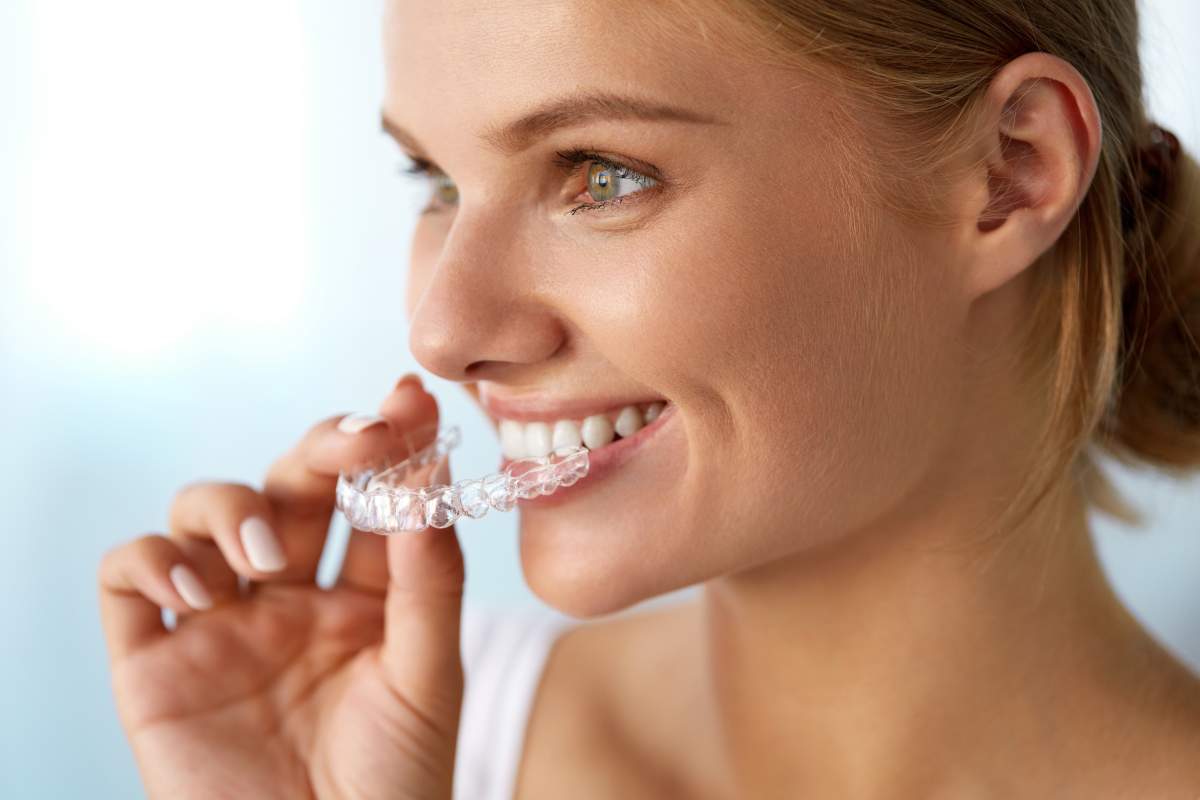
- Clear aligners: A series of removable, custom-made trays that gradually guide teeth into new positions.
Ceramic braces remain on the teeth throughout treatment. Clear aligners can be removed for eating, drinking anything besides water, brushing, and flossing. The right choice depends on the bite problem, tooth position, gum health, daily habits, and treatment goals.
How do clear aligners work?
Clear aligners move teeth through a planned series of trays. Each tray applies gentle pressure to selected teeth, and the trays are changed according to the treatment plan. Most patients need to wear them for most of the day—often around 20 to 22 hours—to keep treatment progressing as intended.
Aligners commonly address:
- Mild to moderate crowding
- Gaps between teeth
- Some overbites and underbites
- Certain crossbites
- Mild tooth rotations
- Relatively straightforward alignment concerns
They are not simply whitening trays or cosmetic covers. Tooth movement affects roots, bone, gums, and the way the upper and lower teeth meet. A complete evaluation is needed before deciding whether aligners are appropriate.
How are ceramic braces different?
Ceramic braces use the same basic orthodontic principles as traditional metal braces. Brackets are bonded to the teeth, and an archwire applies controlled force over time. Because they are fixed, they work continuously without relying on the patient to remember to wear them.
Ceramic braces may be useful when:
- Teeth require more complex movements
- Several teeth need coordinated repositioning
- The bite needs substantial correction
- Consistent treatment force is important
- Removable trays would be difficult to wear as directed
The brackets are less noticeable than metal, but they are not invisible. They can also be more prone to staining or breakage, depending on the material and the foods consumed. Good brushing around the brackets is essential because plaque can collect along the edges.
Are clear braces as effective as metal braces?
They can be effective, but effectiveness depends more on the treatment design and the specific orthodontic problem than on appearance. Ceramic braces generally function much like metal braces, although certain bracket materials may have limitations in more demanding cases.
Clear aligners can produce excellent results for many alignment problems, but some movements are less predictable with trays alone. Significant rotations, large gaps, severe crowding, impacted teeth, and complex jaw or bite discrepancies may be managed more predictably with fixed braces or a combination of treatments.
The most discreet option is not automatically the most suitable option. A treatment plan should prioritize a healthy bite, stable tooth positions, and protection of the teeth and gums.
Who may be a good candidate for clear aligners?
Clear aligners may suit someone who can reliably follow a daily routine. They are often appealing to adults, college students, and older teenagers who prefer a less visible appliance.
A strong candidate is generally able to:
- Wear the trays for the prescribed number of hours
- Remove them before eating
- Brush and floss before putting them back in
- Keep track of trays and bring them as directed
- Avoid leaving them in hot vehicles or direct sunlight
- Follow instructions even during travel, work, school, or activities
This last point can matter for households in Easton, MD, where summer heat, outdoor events, boating, and travel may create more opportunities to misplace trays or expose them to damaging temperatures. A tray case and a consistent cleaning routine can help.
Who may benefit more from ceramic braces?
Ceramic braces may be a better fit for people who are unlikely to wear removable trays consistently or who need more involved tooth movement. They can also be useful when treatment must continue during busy schedules without requiring daily decisions about whether the appliance is being worn.
Fixed braces do require extra care. Sticky or hard foods can damage brackets, and cleaning takes patience. A water flosser, orthodontic floss threader, small interdental brush, or other cleaning aid may help reach areas around wires and brackets.
People who participate in contact sports should ask about appropriate mouth protection. A standard mouthguard may not fit properly over orthodontic appliances, so appliance-compatible protection is preferable.
What are the main advantages and disadvantages?
Clear aligners offer several practical advantages:
- They are difficult to notice in ordinary conversation.
- They can be removed for meals and oral hygiene.
- There are no brackets or wires rubbing against the cheeks.
- Brushing and flossing may be more familiar than cleaning around fixed braces.
Their limitations include the need for strong compliance, possible speech changes during the adjustment period, and the risk of losing or damaging trays. Drinking sugary or acidic beverages while wearing aligners can also trap liquid against the teeth and increase the risk of decay.
Ceramic braces are less visible than metal braces and do not depend on wearing time. However, they remain attached to the teeth, require dietary care, and may take longer to clean thoroughly.
Neither option eliminates the possibility of temporary soreness. Pressure, tightness, or mild irritation is common after braces are placed or adjusted and after a new aligner is started. Severe pain, swelling, a loose appliance, or a sharp wire requires prompt dental guidance.
Do clear braces require special oral hygiene?
Yes. Orthodontic appliances can make it easier for plaque and food debris to remain around teeth. With aligners, teeth should be brushed before trays are reinserted whenever possible. The trays also need regular cleaning according to the treatment instructions.
With ceramic braces, brushing should cover the gumline, the area above and below each bracket, and the spaces around the wire. Fluoride toothpaste is commonly recommended unless a dental provider gives different instructions.
Routine dental cleanings and examinations remain necessary during orthodontic treatment. Orthodontic care moves teeth; it does not replace preventive dental care for cavities, gum disease, or general oral health.
What should be considered before choosing?
The most useful questions are not limited to appearance. Consider:
- Is the main concern crowding, spacing, bite function, or tooth position?
- Can removable trays be worn nearly all day?
- Are there untreated cavities, gum problems, or damaged teeth?
- Will sports, travel, work, or school make tray storage difficult?
- Is the proposed plan addressing the full bite or only the visible front teeth?
- What type of retainer will be needed afterward?
Treatment is not finished when teeth look straight. Retainers help maintain the result because teeth can shift over time. Retention may involve a removable retainer, a fixed retainer, or both, depending on the situation.
For residents comparing options, the central question is simple: Which appliance can move the teeth safely while fitting realistically into daily life? Clear aligners and ceramic braces can both be valuable, but the best choice is the one that matches the orthodontic problem and the patient’s ability to follow the care plan.