

 See My Latest Article on HelloNation
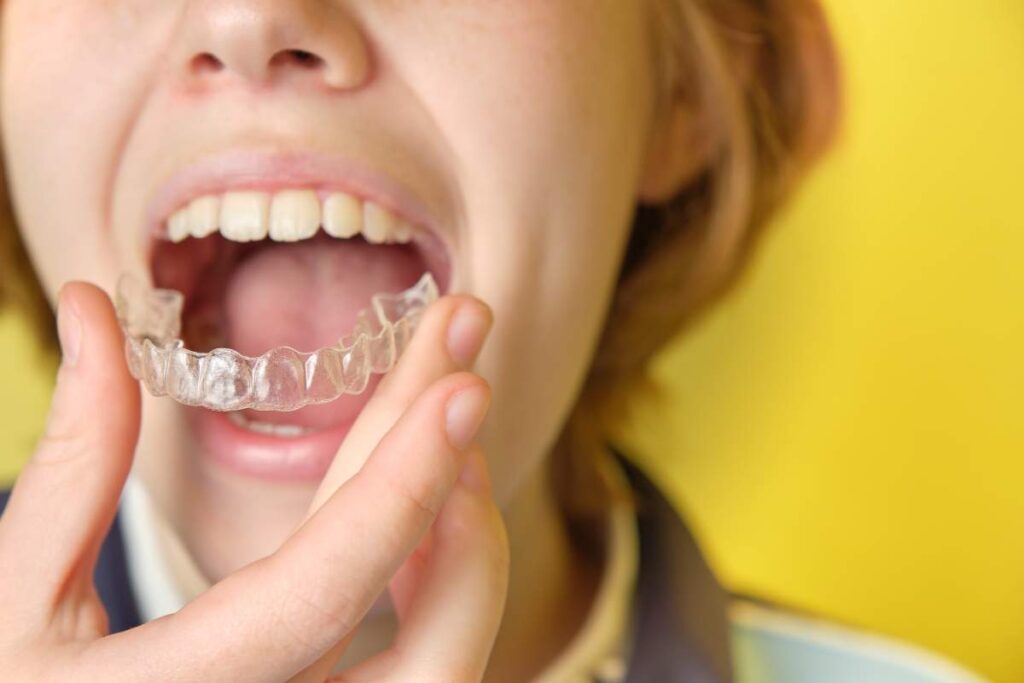
Retainers are orthodontic appliances designed to keep teeth in their corrected positions after braces or clear-aligner treatment. The main choices are removable Hawley retainers, removable clear retainers, and fixed bonded retainers. Each has different advantages, care needs, and situations in which it may be useful.
Why are retainers necessary after orthodontic treatment?
Teeth can shift after braces or aligners are removed because the bone and soft tissues around them need time to adjust. Even after that adjustment, natural changes can continue throughout adulthood. Retainers help limit this movement and preserve the alignment achieved during treatment.
A retainer does not usually straighten significantly crooked teeth. Its primary job is maintenance. If a removable retainer is not worn as directed, teeth may gradually rotate, crowd, or develop spaces. In some cases, a retainer may eventually stop fitting.
Retainer instructions differ according to the person’s bite, the type of correction completed, age, gum health, and how stable the teeth appear. Some people begin with more frequent wear and later transition to nighttime use. Long-term or lifelong nighttime wear is common because teeth can shift years after treatment.
What is a Hawley retainer?
A Hawley retainer combines a firm acrylic or plastic section with a metal wire that rests across the front of the teeth. The upper version usually includes a plate that sits against the roof of the mouth, while a lower version often rests behind the lower front teeth.
Hawley retainers remain widely used because they are durable, adjustable, and relatively easy to repair. The wire can help hold several teeth while the acrylic portion provides support. They can also be made in different colors, although appearance is a consideration for people who prefer a less noticeable appliance.
A Hawley retainer may be useful when:
- A durable removable appliance is preferred
- Minor adjustments may be needed over time
- The orthodontic plan requires a design that does not cover the entire tooth surface
- A patient is able to remove, store, and clean the appliance consistently
The wire is more visible than the material used in a clear retainer. Speech may also feel slightly different for a few days while the tongue adapts.
What is a clear retainer?
A clear retainer is a thin, custom-shaped plastic tray that fits closely over the teeth. It resembles a clear aligner but is intended primarily to maintain tooth position rather than actively move teeth.
Clear retainers are less noticeable than Hawley retainers and generally have a smooth, lightweight feel. Many people find them convenient for school, work, or social situations. Because the tray covers the teeth, it should be removed for eating unless specific instructions say otherwise.
Clear retainers may be a practical choice when:
- Appearance is a major concern
- A close-fitting, low-profile appliance is preferred
- The teeth need broad coverage to help maintain their positions
- The wearer can keep the tray clean and protected
Clear plastic can wear, crack, discolor, or lose its shape. Hot water, direct sunlight, and leaving the retainer in a hot car can distort it. This is particularly relevant during warm Maryland weather or summer travel. A protective case should be used whenever the retainer is not in the mouth.
What is a fixed or bonded retainer?
A fixed retainer is a thin wire bonded to the back surfaces of selected teeth, often the lower front teeth. It cannot be removed by the wearer and remains in place until it is professionally detached.
The main advantage is consistency. Because the retainer is always attached, there is no daily decision about whether to wear it and no risk of leaving it at home. Fixed retainers can be helpful when teeth are especially prone to crowding or when consistent control of a particular area is needed.
The tradeoff is that cleaning requires extra attention. Floss or specialized cleaning tools must pass around the wire and bonding material. Plaque and hardened buildup can collect near the retainer if brushing and flossing are rushed.
A fixed retainer can loosen at one point while still appearing attached elsewhere. A sharp edge, a wire that bends outward, or a noticeable change in how the teeth meet should not be ignored. Continuing to manipulate the wire with the tongue or fingers can make the problem worse.
Is one type of retainer better than another?
No single retainer is best for everyone. The right design depends on the treatment result, tooth movement risk, bite, hygiene habits, comfort, appearance preferences, and ability to follow a wear schedule.
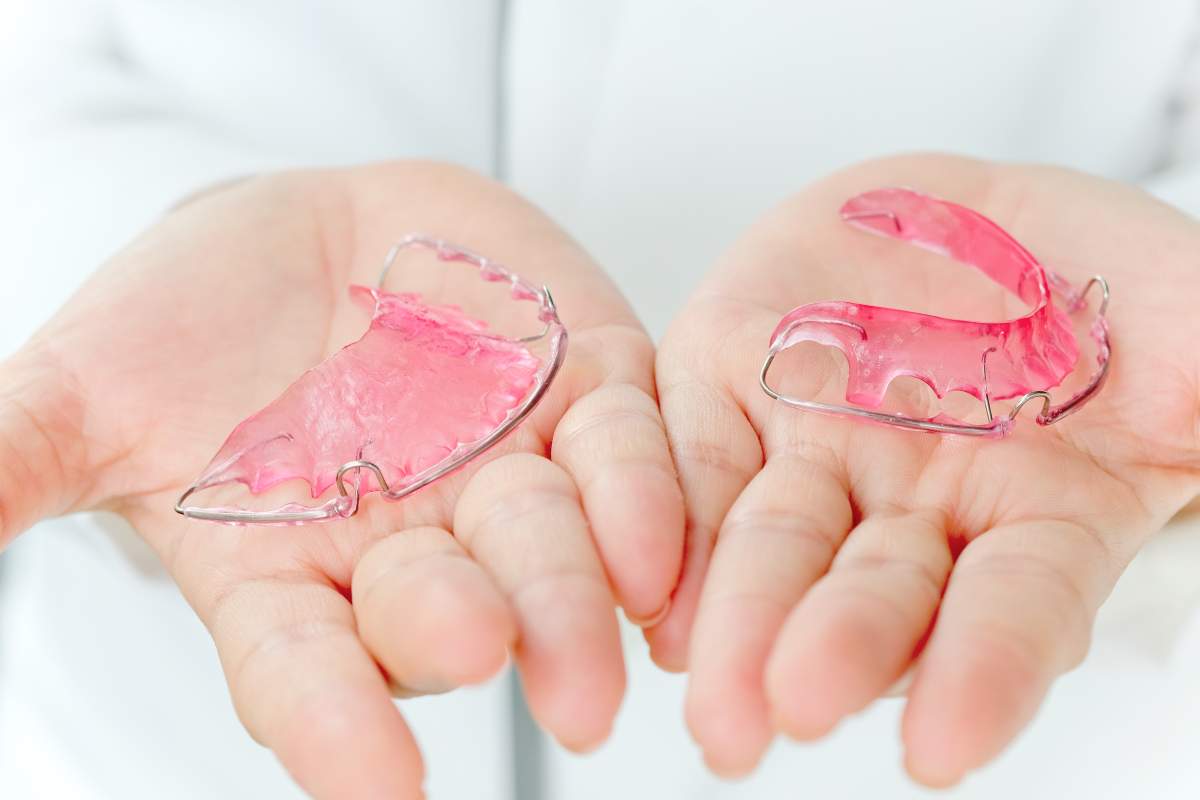
A removable retainer offers easier cleaning and can be replaced if necessary, but it depends on daily cooperation. A fixed retainer provides continuous support but requires careful cleaning and periodic checking. Some people use both types, such as a bonded lower retainer combined with a removable upper retainer.
A combination approach may also provide backup. If a removable retainer is lost or damaged, a fixed retainer may continue protecting certain teeth, although it does not replace complete retention for every area of the mouth.
How should removable retainers be cleaned?
Rinse a removable retainer with cool or lukewarm water after taking it out. Gently brush it with a soft toothbrush reserved for the appliance. Avoid abrasive toothpaste unless specific instructions say otherwise, because it can scratch the surface and make the retainer look cloudy.
Additional care includes:
- Store the retainer in a ventilated case when it is not being worn
- Keep pets away from the case, since retainers can be damaged by chewing
- Avoid wrapping the appliance in a napkin, where it may be accidentally discarded
- Do not place it in boiling or very hot water
- Do not wear it while eating unless instructed
- Bring it along during overnight trips instead of leaving it behind
In a humid coastal community such as Easton, careful drying and ventilation can help reduce unpleasant odors between uses. The retainer should not be sealed wet inside a closed container for long periods.
What should happen if a retainer is lost or no longer fits?
A retainer that feels slightly tight may indicate early tooth movement, but forcing it into place can cause pain or damage. If it does not seat fully, has a sharp crack, or causes significant discomfort, it should not be modified at home.
A lost, broken, or ill-fitting retainer should be addressed promptly because teeth can move more noticeably over time. A replacement may be made from a new scan or impression. If substantial movement has already occurred, additional orthodontic treatment may be needed before a new retainer can hold the teeth properly.
How long do retainers last?
The lifespan varies. Hawley retainers can last for years with proper care, while clear retainers may need replacement sooner because plastic gradually wears or becomes less clear. Fixed retainers can remain in place for extended periods, but the bonding material and wire still need to be checked.
A retainer should be replaced if it is cracked, warped, loose, uncomfortable, or no longer fits as it once did. Even a retainer that looks acceptable may no longer provide a reliable fit if its shape has changed.
The most useful habit is consistent wear according to the prescribed schedule, combined with routine cleaning and safe storage. Retainers protect the alignment created by orthodontic treatment, but they work only when they are worn and maintained properly.