

 See My Latest Article on HelloNation
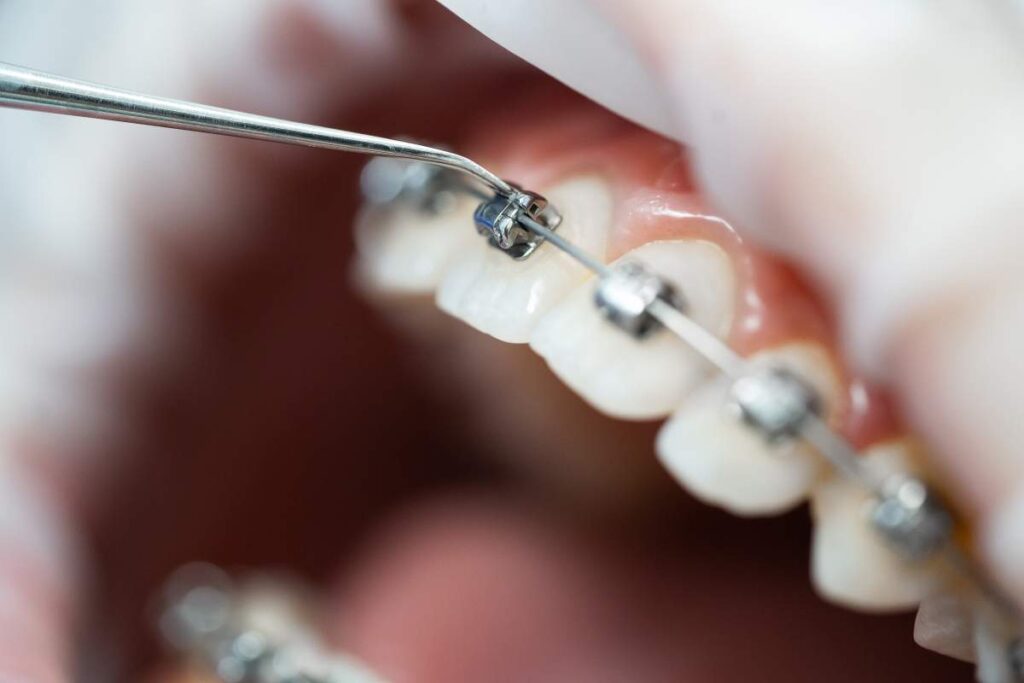
Traditional braces remain a dependable way to correct crowded teeth, spacing, and bite problems. For residents of Easton, MD, understanding the process ahead of time can make treatment feel more manageable, especially when planning around school, work, sports, meals, and seasonal activities.
What are traditional braces?
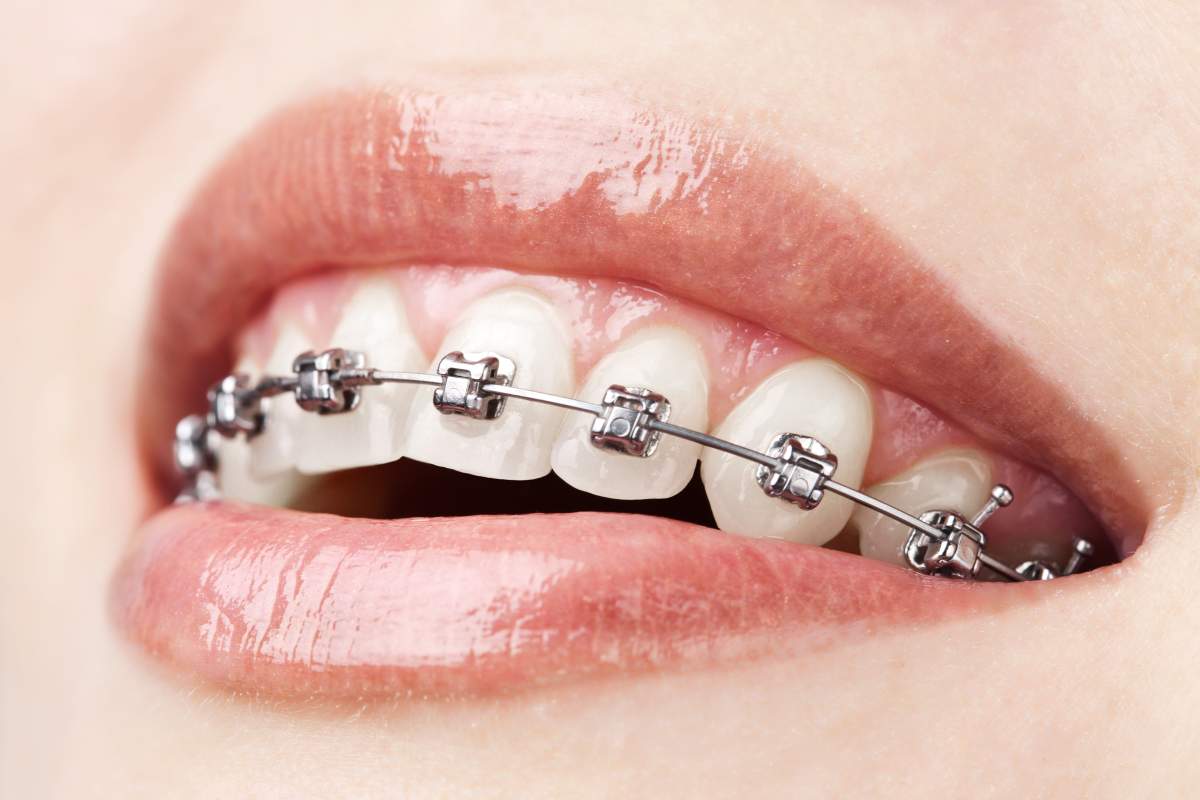
Traditional braces use small brackets attached to the teeth and a thin archwire that applies gentle, controlled pressure. Over time, this pressure guides teeth into healthier positions and can improve how the upper and lower teeth meet.
Braces may be used to address:
- Crowding or overlapping teeth
- Gaps between teeth
- Crooked teeth
- Overbites, underbites, and crossbites
- Certain chewing or speech difficulties
- Tooth positions that make brushing and flossing harder
The visible part of treatment is only one consideration. Improving the bite can also reduce uneven tooth wear and make daily oral hygiene more effective.
What happens before braces are placed?
Treatment usually begins with a comprehensive evaluation rather than immediate bracket placement. The orthodontic examination may include photographs, dental impressions or digital scans, and X-rays when needed.
The evaluation helps determine:
- Which teeth need to move
- Whether the bite involves the jaws as well as the teeth
- Whether any cavities, gum problems, or other dental concerns should be addressed first
- Whether space must be created for crowded teeth
- How long treatment may reasonably take
A treatment plan should explain the expected sequence, the role of elastics if they are needed, how often visits will occur, and what may affect the timeline. Treatment length varies widely. Many people wear braces for about one to three years, although simpler cases may take less time and more complex bite concerns may take longer.
What does getting braces feel like?
Placing braces is generally not painful, although the process may take time because each bracket must be positioned carefully. Afterward, the teeth may feel tender or tight for several days as they begin responding to pressure.
Common early sensations include:
- Mild soreness when biting
- Tender gums or cheeks
- A feeling of pressure on individual teeth
- Brackets rubbing against the lips or cheeks
- Temporary difficulty eating firm foods
Soft foods such as yogurt, eggs, pasta, oatmeal, soup, rice, and cooked vegetables can be easier during the first few days. Orthodontic wax may help cover a bracket that irritates the cheek. If pain is severe, continues longer than expected, or is accompanied by swelling or signs of infection, the orthodontic office or dental provider should be contacted for specific guidance.
How often are adjustment visits needed?
Adjustment visits are commonly scheduled every several weeks, although the interval depends on the treatment plan. During these appointments, the wire may be changed, adjusted, or replaced. Small elastic ties may also be changed.
These visits allow the orthodontic team to check:
- Whether teeth are moving as planned
- Whether the bite is improving
- Whether brackets or wires are damaged
- Whether elastics are being worn correctly
- Whether oral hygiene is adequate
Missing appointments can slow progress, particularly if a wire or bracket needs repair. Keeping scheduled visits is one of the practical factors that helps treatment stay close to its original timeline.
What foods should be avoided with braces?
Hard, sticky, and chewy foods can bend wires or loosen brackets. Foods that require biting directly with the front teeth may also create problems.
Common examples include:
- Ice
- Popcorn kernels
- Hard candies and chewy candy
- Gum
- Whole apples and raw carrots
- Nuts
- Corn on the cob
- Hard pretzels
- Tough or crusty bread
- Chewy meats
Many foods do not need to be eliminated completely if they are prepared differently. Apples can be sliced, carrots can be cooked or cut into small pieces, and corn can be removed from the cob. This can be useful for families managing packed lunches, school meals, or outdoor activities during warmer months.
Sugary drinks and frequent sweet snacks deserve attention as well. Food particles and plaque can collect around brackets, increasing the risk of cavities and permanent white marks on the enamel.
How should teeth be cleaned during treatment?
Braces require more detailed cleaning than teeth without appliances. Brushing should reach above and below each bracket, along the gumline, and around the back teeth. A soft-bristled toothbrush and fluoride toothpaste are commonly recommended unless different instructions are provided.
A practical routine includes:
- Brushing at least twice daily for about two minutes
- Cleaning around every bracket and wire
- Cleaning between teeth daily with floss, a floss threader, an interdental brush, or another suitable tool
- Rinsing with water after meals when brushing is not possible
- Continuing regular dental checkups and cleanings
The goal is not simply to keep the braces looking clean. Plaque left around brackets can irritate the gums and cause areas of enamel discoloration that may remain after treatment.
In a humid coastal community, outdoor activities, sports, and summer travel can make regular brushing less convenient. Keeping a small oral-care kit available can help maintain the routine away from home.
What happens if a bracket breaks or a wire pokes?
A loose bracket or protruding wire is usually not an emergency, but it should be reported because it can affect treatment or injure the soft tissues. Avoid pulling on the wire or trying to remove the bracket at home.
Temporary steps may include:
- Covering a sharp area with orthodontic wax
- Choosing softer foods
- Avoiding hard or sticky foods
- Saving any detached piece if it comes off
- Following the orthodontic office’s instructions for repair
Urgent medical attention may be needed for severe facial injury, uncontrolled bleeding, difficulty breathing or swallowing, or significant swelling. These situations are different from ordinary bracket discomfort.
Will braces permanently straighten teeth?
Braces move teeth, but retention is what helps maintain the result. After the braces are removed, a retainer is typically provided. It may be removable, fixed behind the teeth, or used in combination with another type.
Teeth can shift over time because the supporting tissues and bone continue to adapt, and natural changes occur throughout life. Retainers therefore need to be worn according to the prescribed schedule, which may change from more frequent wear initially to nighttime or long-term part-time wear.
A retainer should be kept clean and protected when it is not being worn. If it becomes lost, cracked, or difficult to fit, it should not be forced into place.
What should patients remember most?
Traditional braces work through a partnership between the appliance and the person wearing it. The brackets and wires provide the mechanical guidance, while daily cleaning, sensible food choices, elastic wear, and regular visits support steady progress.
Treatment may involve occasional soreness, dietary adjustments, and extra time spent cleaning. Those expectations are normal parts of the process. Understanding them in advance helps patients and families protect their teeth while making the orthodontic journey more predictable.